

Our educational philosophy
We chose the Head Start model because children’s learning depends on healthy bodies, secure relationships and family support as well as classroom instruction. Our fictional Taft center would partner with families who need accessible communication, community connections and developmentally appropriate early learning. Head Start-inspired preschool and Early Head Start-inspired infant/toddler care bring these supports together.

History & foundations
Head Start began in 1965 as part of the War on Poverty, bringing early education and family services together. Early Head Start was authorized in 1994, and its first grants were awarded in 1995 to extend support to infants, toddlers and pregnant families (Office of Head Start, n.d.). Head Start is a comprehensive program model rather than a single teaching theory. Our practice combines responsive relationships, play, observation and family partnership.
Bowlby helps explain secure relationships; Piaget supports active exploration; Vygotsky explains learning with adult and peer guidance; Erikson supports confidence and independence; Bronfenbrenner connects home, school and community (Follari, 2019).

Supporting the whole child
Social development: cooperative games and pretend play help children form friendships.
Emotional development: predictable routines and supportive adults help children feel secure and express feelings.
Cognitive development: puzzles, sorting, counting and investigations build thinking.
Language development: songs, stories, conversations and home-language experiences build communication.
Physical development: floor play, movement, outdoor exploration and self-help routines strengthen coordination.
Teachers observe these areas together, adjust support and discuss progress with caregivers. Inclusive environments and respectful family partnerships guide planning (NAEYC, 2020).
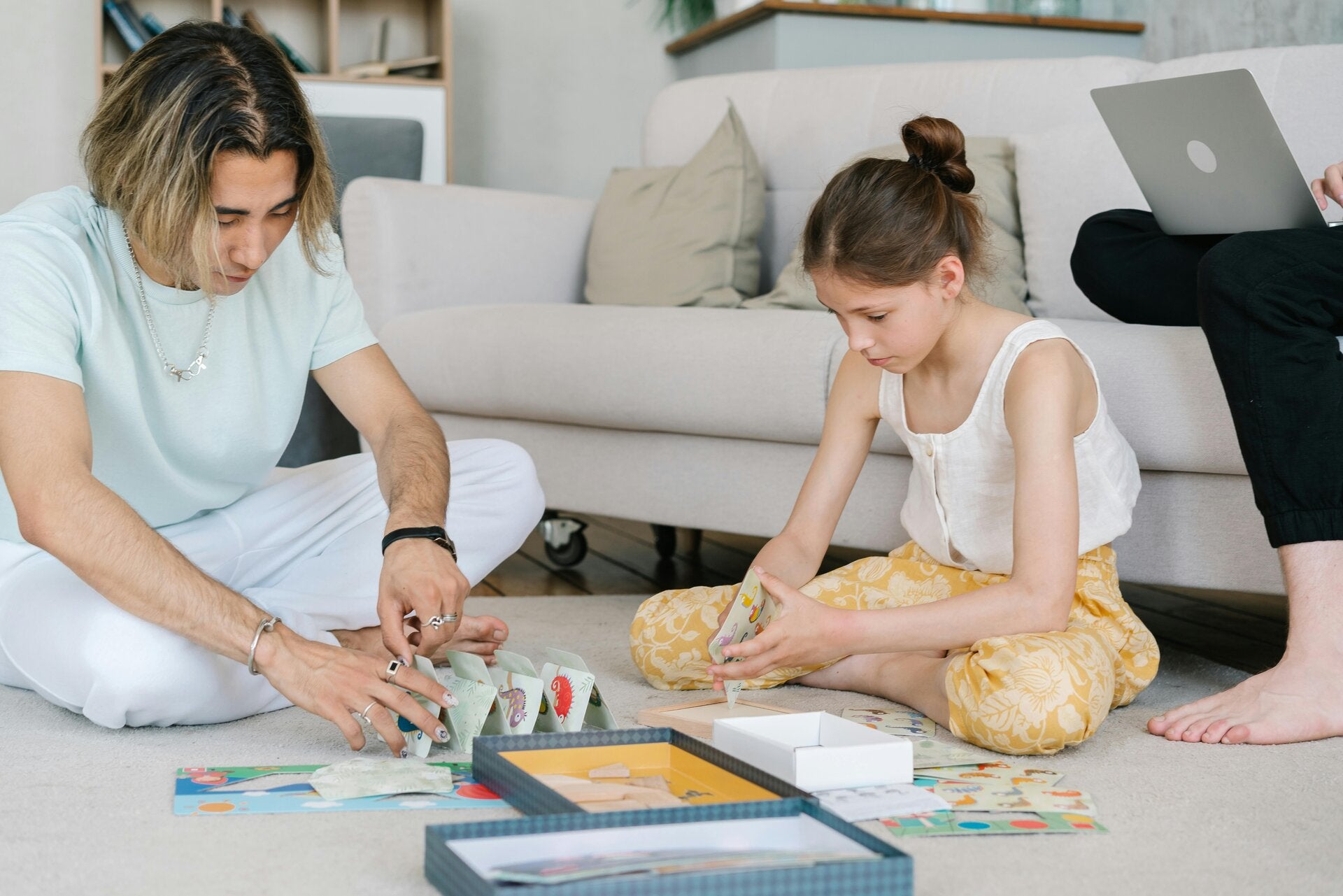
Why this model fits our community
Families have different languages, resources, schedules and goals. A comprehensive model lets educators connect early learning with nutrition, developmental screening and community support. We would offer printed communication, flexible conferences and interpretation while encouraging children’s home languages. Caregivers would help shape classroom goals and family events.
Research supports this choice. In a randomized study, Early Head Start produced modest benefits in children’s thinking, language and social-emotional development, along with more supportive parenting (Love et al., 2005). A separate Head Start study found that a family-engagement intervention improved some social-emotional skills, although it did not improve every measured behavior (Sheridan et al., 2010). These findings support combining classroom experiences with family partnerships; they do not guarantee the same results for every child.
The model requires thoughtful coordination. Our plan would give educators time for observation, team meetings, family check-ins and referrals. Our center is fictional for coursework and is not an official funded Head Start grantee. Full references appear on the Home page.